
Good to know
Article summary
- For a broad view of Busan’s history, explore exhibitions arranged by period. To focus on one era, look at tombs and everyday objects.
- Choose your destination by whether you want to explore maritime culture and navigation or observe the forms of living things.
- Permanent exhibitions, guided tours and children’s activities have different access arrangements. Check opening hours and last admission separately.
Some days, you want to visit a museum without planning around a special exhibition. Permanent exhibitions make it easy to choose a destination by the period or subject that interests you. From Busan’s history to marine life, these indoor exhibitions offer very different things to explore.
Permanent exhibition themes — Decide whether you want a broad view of Busan’s history or a closer look at life in one period. Artifacts and exhibition layout — Think about what you would like to spend time examining: everyday tools, objects excavated from tombs or displays of organisms grouped by classification. Hours and costs — Check exhibition admission and separate activities individually. Last admission may be earlier than closing time.
01Best when You want to follow several historical periods in sequence
Busan Museum (부산박물관)
Choice Score4.5/ 5Regional history museum
- Price
- Free admission
- Location
- 63 UN pyeonghwa-ro, Nam-gu, Busan
- Hours
- 09:00–18:00, last admission 17:00
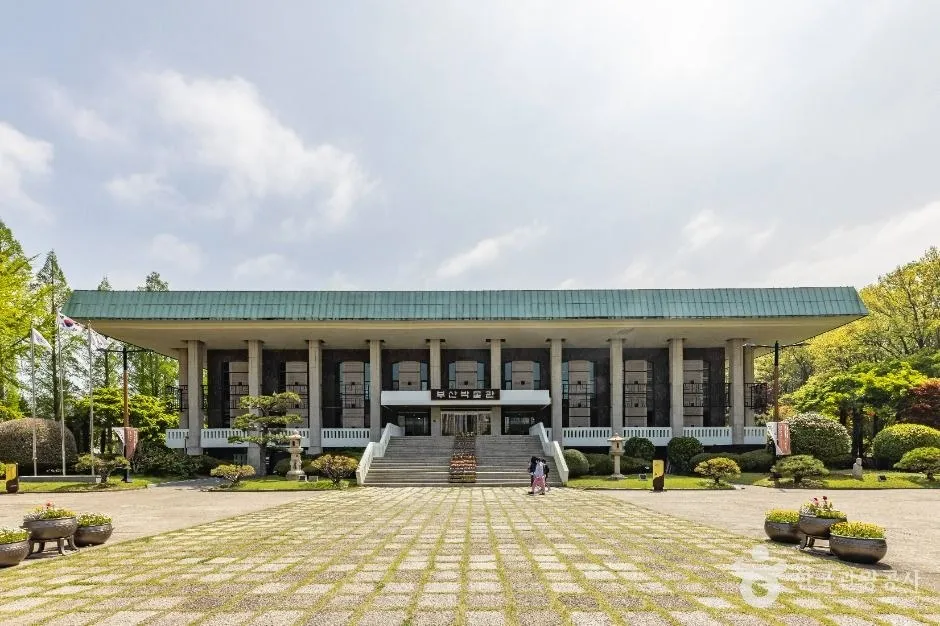
For a broad view of Busan’s history, Busan Museum in Nam-gu is a good starting point. Dongnae Hall covers the Paleolithic period through Goryeo. Busan Hall explores the Joseon period and modern and contemporary history. If you have not yet chosen a period to focus on, the contrast between the two halls can guide you.
Dongnae Hall’s Paleolithic displays use heritage objects from the Cheongsapo, Jwa-dong and Jung-dong sites in Haeundae to show Busan’s distant past. Familiar place names become clues to lives lived long ago.
Contact and further details
- Choice Score
- Choice Score4.5/ 5Dongnae Hall covers the Paleolithic period through Goryeo; Busan Hall covers Joseon through modern and contemporary history
- Phone
- 051-610-7111
02Best when You are interested in urban change after the port opened
Busan Modern & Contemporary History Museum (부산근현대역사관)
Choice Score4.5/ 5Modern and contemporary urban history museum
- Price
- Free admission
- Location
- Main building, 112 Daecheong-ro, Jung-gu, Busan
- Hours
- 09:00–18:00, last admission 17:00
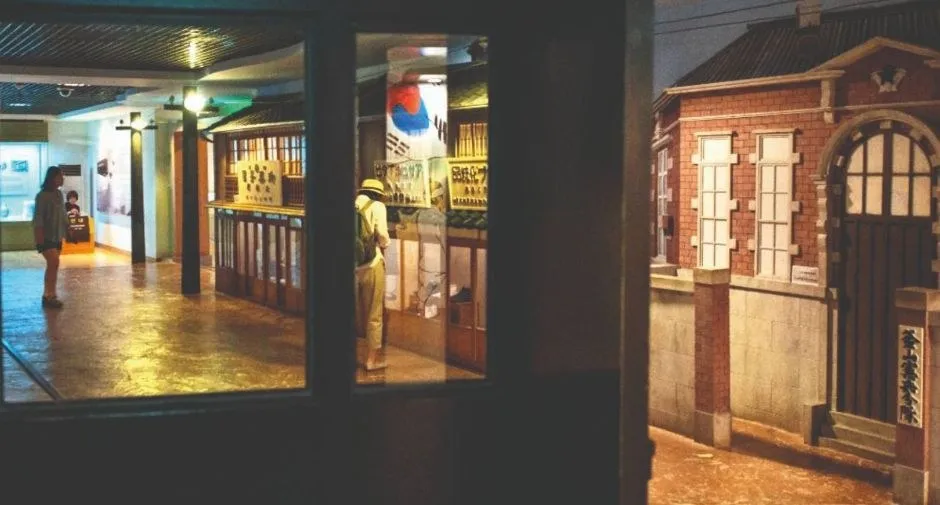
For a focus on urban change, visit the main building of the Busan Modern & Contemporary History Museum in Jung-gu. It covers the period from the opening of the port to Busan today. The permanent exhibitions occupy two floors of the main building, making it easy to explore the periods separately.
The floor 3 exhibition on Busan as a modern city shows how the city developed and how people lived after the port opened. The floor 4 exhibition on Busan as a contemporary city covers industrialization and democratization after liberation. Together, they let you focus on how the city and its residents’ lives changed after the port opened.
Contact and further details
- Choice Score
- Choice Score4.5/ 5Exhibitions on Busan as a modern city on floor 3 and a contemporary city on floor 4 of the main building
- Phone
- 051-607-8002
03Best when You want to see ships and navigation instruments
National Maritime Museum (국립해양박물관)
Choice Score4.5/ 5Maritime museum
- Price
- Free permanent exhibitions
- Location
- 45 Haeyang-ro 301beon-gil, Yeongdo-gu, Busan
- Hours
- Tue–Fri 09:00–18:00, Sat–Sun and public holidays 09:00–19:00, last admission 30 minutes before closing
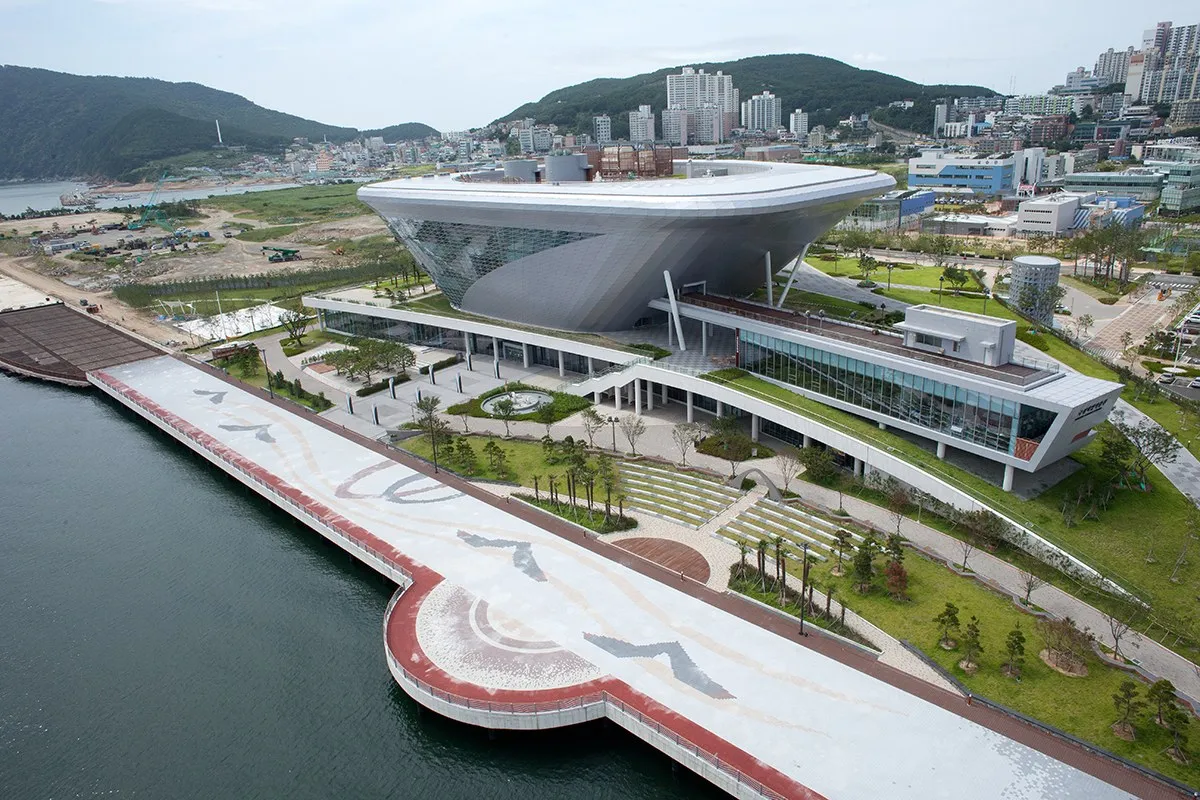
If life at sea and navigation interest you, consider the National Maritime Museum in Yeongdo-gu. The maritime gallery on floor 3 explores earlier generations’ lives at sea and maritime culture. The navigation gallery on floor 4 displays ships and navigation instruments. Together, they invite you to think about both the technology of crossing the sea and the people who depended on it.
Focus on the navigation gallery if boats and instruments interest you. If you become curious about everyday culture, continue into the maritime gallery. Later weekend closing hours also give you more flexibility for an afternoon visit.
Contact and further details
- Choice Score
- Choice Score4.5/ 5Life at sea and maritime culture in the maritime gallery on floor 3; ships and navigation instruments in the navigation gallery on floor 4
- Phone
- 051-309-1900
04Best when You want to observe the forms of different groups of organisms
Busan Marine Natural History Museum (부산해양자연사박물관)
Choice Score4.5/ 5Marine natural history museum
- Price
- Free admission
- Location
- 175 Ujangchun-ro, Dongnae-gu, Busan
- Hours
- 09:00–18:00, last admission 17:00
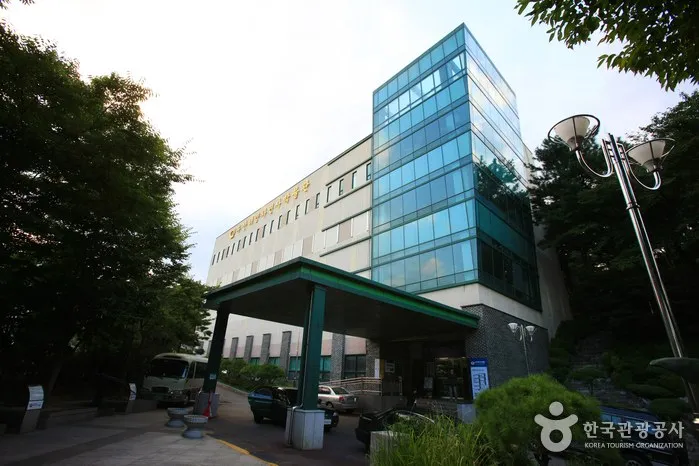
The Busan Marine Natural History Museum in Dongnae-gu suits anyone who wants to compare the forms of living things. Its general exhibition hall displays organisms in groups, including corals and echinoderms. Sharks and rays are also displayed by classification, so you can start with creatures you recognize.
The echinoderm displays bring together sea urchins, sea cucumbers and starfish, offering a chance to compare their different forms. This museum suits readers more interested in organisms themselves than ships and navigation instruments. The passage to Building 2 is toward the back of floor 4 in Building 1.
Contact and further details
- Choice Score
- Choice Score4.5/ 5Displays of corals, echinoderms, sharks and rays grouped by classification in the general exhibition hall
- Phone
- 051-553-4944
05Best when You want to examine tombs alongside burial goods
Busan Bokcheon Museum (복천박물관)
Choice Score4.5/ 5Archaeology museum
- Price
- Free admission
- Location
- 63 Bokcheon-ro, Dongnae-gu, Busan
- Hours
- 09:00–18:00
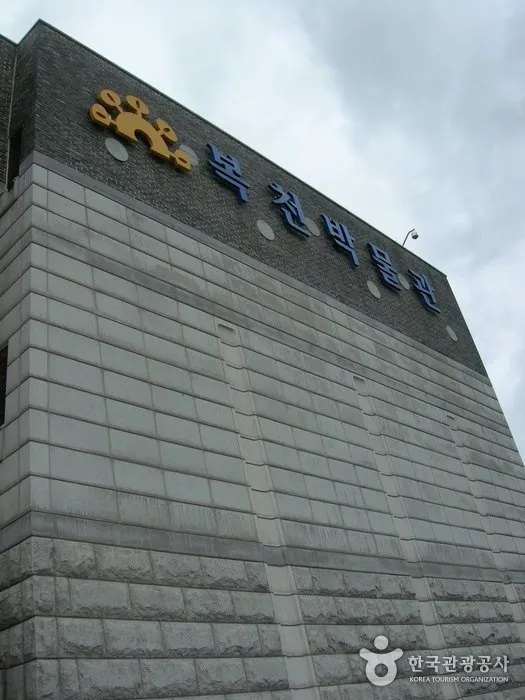
To explore past societies through tombs and burial goods, try Busan Bokcheon Museum in Dongnae-gu. Exhibition Hall 1 traces changes in tombs from the Neolithic to the Three Kingdoms period. You can examine both the forms of the tombs and the objects placed inside them.
Exhibition Hall 2 groups artifacts from the Bokcheon-dong tomb complex by type. You can also compare them with finds from neighboring areas. Look at pottery of different shapes, such as pedestal dishes and vessel stands. It is a good place to consider how an object’s form relates to its use.
Contact and further details
- Choice Score
- Choice Score4.5/ 5Changes in tombs in Exhibition Hall 1; comparisons of artifacts from the Bokcheon-dong tomb complex in Exhibition Hall 2
- Phone
- 051-554-4263
06Best when You want to examine old homes and household objects
Jeonggwan Museum (정관박물관)
Choice Score4.5/ 5Everyday history museum
- Price
- Free admission
- Location
- 122 Jeonggwanjungang-ro, Jeonggwan-eup, Gijang-gun, Busan
- Hours
- 09:00–18:00, last admission 17:00
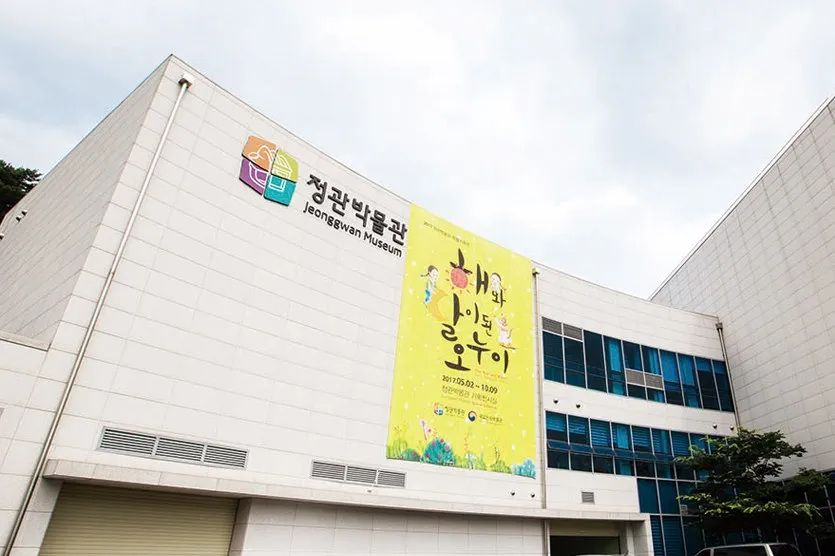
If you are curious about past households, narrow your focus to Jeonggwan Museum in Gijang-gun. Its exhibition on life in Sodubang explores Three Kingdoms-period village sites in the Gijang area. Food, livelihoods and life inside the home offer a way into these old villages.
Displays include reconstructed house remains from the Gadong site and timber components used in actual buildings. You can also see chimneys used for cooking and heating. Looking at the house-shaped pottery alongside them helps connect the form of old homes with everyday objects. This museum suits a day when you want to explore daily life rather than major historical events.
Contact and further details
- Choice Score
- Choice Score4.5/ 5Life in Sodubang: reconstructed house remains, timber building components, chimneys and house-shaped pottery
- Phone
- 051-720-6900
07Best when You want to understand coastal livelihoods
Dongsam-dong Shell Midden Exhibition Hall (동삼동패총전시관)
Choice Score4.5/ 5Prehistoric site exhibition hall
- Price
- Free admission
- Location
- 729 Taejong-ro, Yeongdo-gu, Busan
- Hours
- 09:00–18:00
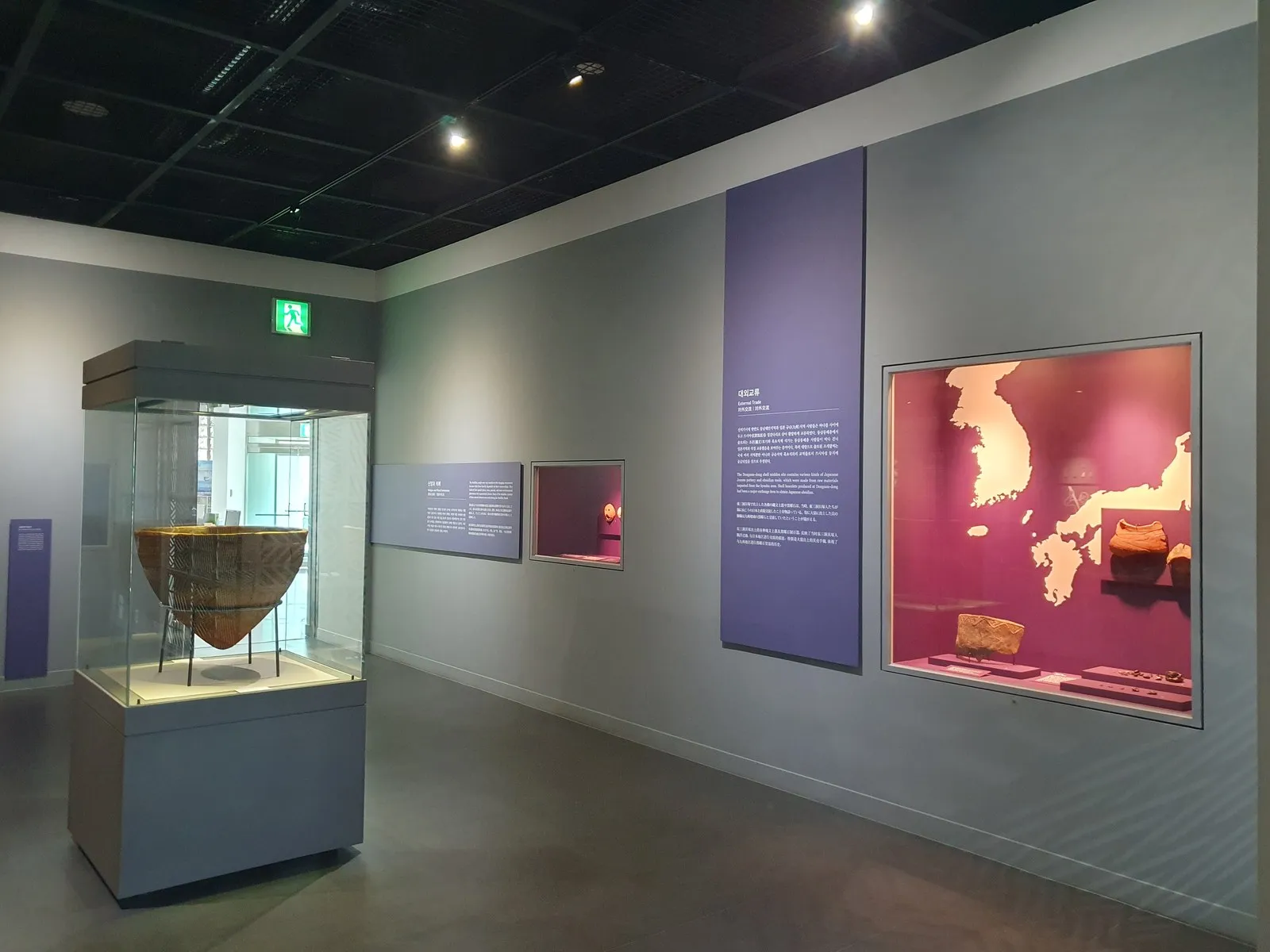
For a closer look at Neolithic coastal life, visit the Dongsam-dong Shell Midden Exhibition Hall in Yeongdo-gu. Exhibition Hall 1 explains Neolithic culture and the significance of shell middens. These sites contain accumulated shells and other discarded remains of meals, preserving evidence of everyday life at the time.
Exhibition Hall 2 covers comb-pattern pottery, everyday tools and fishing activities. Bone harpoons and fishhooks offer traces of how people caught fish. It suits readers curious about what people ate and which tools they used.
Contact and further details
- Choice Score
- Choice Score4.5/ 5Shell middens and Neolithic culture, comb-pattern pottery, everyday tools and fishing activities
- Phone
- 051-403-1193
Compare two options
Choose two options to compare their features and practical details.
| Spec | Busan Museum (부산박물관) | Busan Modern & Contemporary History Museum (부산근현대역사관) | National Maritime Museum (국립해양박물관) | Busan Marine Natural History Museum (부산해양자연사박물관) | Busan Bokcheon Museum (복천박물관) | Jeonggwan Museum (정관박물관) | Dongsam-dong Shell Midden Exhibition Hall (동삼동패총전시관) |
|---|---|---|---|---|---|---|---|
| Best when | You want to follow several historical periods in sequence | You are interested in urban change after the port opened | You want to see ships and navigation instruments | You want to observe the forms of different groups of organisms | You want to examine tombs alongside burial goods | You want to examine old homes and household objects | You want to understand coastal livelihoods |
| Price | Free admission | Free admission | Free permanent exhibitions | Free admission | Free admission | Free admission | Free admission |
| Location | 63 UN pyeonghwa-ro, Nam-gu, Busan | Main building, 112 Daecheong-ro, Jung-gu, Busan | 45 Haeyang-ro 301beon-gil, Yeongdo-gu, Busan | 175 Ujangchun-ro, Dongnae-gu, Busan | 63 Bokcheon-ro, Dongnae-gu, Busan | 122 Jeonggwanjungang-ro, Jeonggwan-eup, Gijang-gun, Busan | 729 Taejong-ro, Yeongdo-gu, Busan |
| Hours | 09:00–18:00, last admission 17:00 | 09:00–18:00, last admission 17:00 | Tue–Fri 09:00–18:00, Sat–Sun and public holidays 09:00–19:00, last admission 30 minutes before closing | 09:00–18:00, last admission 17:00 | 09:00–18:00 | 09:00–18:00, last admission 17:00 | 09:00–18:00 |
| Watch out for | Last admission 17:00 | Permanent exhibitions are on floors 3 and 4 of the main building | Separate charge for the 4D theater | The passage to Building 2 is toward the back of floor 4 in Building 1 | Distinguish the tomb park from the indoor exhibition halls | Last admission 17:00 | Exhibition Halls 1 and 2 cover different themes |
| Choice Score | 4.5 / 5 | 4.5 / 5 | 4.5 / 5 | 4.5 / 5 | 4.5 / 5 | 4.5 / 5 | 4.5 / 5 |
Before you decide
Choosing in more detail
- If you have not chosen a historical period yet — Busan Museum. Follow the timeline, then make the period that catches your interest the focus of your next visit.
- If you want to connect the past with present-day Busan — Busan Modern & Contemporary History Museum. Follow the story of the city’s formation and industrialization.
- If you are curious about how people used the sea — National Maritime Museum. Explore its everyday culture and navigation exhibitions together.
- If living things interest you more than human history — Busan Marine Natural History Museum. Observe the forms of different groups of organisms.
- If you want to understand excavated objects in context — Busan Bokcheon Museum. Connect changes in tombs with the artifacts found inside them.
- If you are curious about the interiors of past homes — Jeonggwan Museum. Its displays of house remains and household objects fit the brief.
- If you want to understand livelihoods through everyday tools — Dongsam-dong Shell Midden Exhibition Hall. Focus on fishing activities and pottery.
FAQ
- 1Can I visit these Busan museums on Mondays?
All seven have regular Monday closures. When Monday is a public holiday, substitute closure rules apply. Busan Museum and the National Maritime Museum close on the next weekday.
- 2Can I join a guided tour of an indoor exhibition in Busan?
The Busan Modern & Contemporary History Museum requires advance reservations for docent tours of its permanent exhibitions. As of 2 November 2026, the National Maritime Museum accepts on-site registrations for permanent exhibition tours for Korean visitors on a first-come, first-served basis. Tour arrangements differ by museum.
- 3Can children join activities as part of a regular visit without a separate booking?
The children’s activity room at the Busan Modern & Contemporary History Museum takes advance reservations for individual sessions. As of 2 November 2026, the National Maritime Museum’s children’s museum accepts individual visitors through on-site registration on a first-come, first-served basis. Check registration arrangements for permanent exhibitions and children’s activities separately.
- 4Do any of these museums lend strollers or wheelchairs?
Busan Museum and Jeonggwan Museum have strollers and wheelchairs. The Busan Modern & Contemporary History Museum also lists these amenities. Ask each museum’s information desk about borrowing them.
Research notes
Research date 2 November 2026 · Sources Each museum’s official website, Korea Tourism Organization, Gijang-gun Culture and Tourism, public institution information platform ALIO Plus, Yeogiyu · Subject to change Opening hours, last admission and booking arrangements Choice Score An editorial assessment out of 5 based on location within Busan, indoor permanent exhibitions, theme information, opening hours, admission fees, weekend opening and regular closures. Separate from measured exhibition quality or visitor ratings.
Was this column useful?
Comments 0
Be the first to comment.